


"Mis maa see on?" // "What land is it?"
- Earthangel
- Mar 28, 2019
- 17 min read

Updated: Apr 5, 2019
Alustades Siiri Sisaski eestimeelse lauluga, pean ütlema, et siin mägesid on ja mitte vähe. Tegemist on pisikese saarega keset Vahemerd, mis asub Türgist lõunas umbes samal laiuskraadil Kreeta saarega. Naabriteks on idast Liibanon ja Süüria, kagust Iisrael, lõunast Egiptus, läänest Kreeka ja põhjast Türgi. Saar on tekkinud kunagi Aafrika ja Euroopa laamade põrkumisel, kerkides nii välja Vahemerest.
Püsivaid elanikke on vähem kui Eestis, 1,17 miljonit (2016) ning palju on neid, kes suvehooajaks tulevad, aga talvehooajaks asjad kokku pakivad. Suvehooajad on viimastel aastatel saarele väga palju turiste toonud, seetõttu lokkab ka kogu turismiäri. Ehitusprotsessis on tohutult palju uusi hotelle, mitte et neid siin veel vähe oleks. Suvine hooaeg algab juba aprillis ning kestab kuni novembrini või kuni ilma jätkub. Paljud hotellid sulgevad end “talveks”, üksikud jäävad lahti. Suur osa tööjõust tuleb väljaspoolt riiki ning on siin vaid hooajal.
Suve ilm on siin tõesti ilus ja kliima on suurepärane, kõrghooajal on iga päev keskmiselt 33+ kraadi ning ka õhtud ja ööd on soojad, 22 kraadi. Isegi novembris on täitsa tavaline 23–24kraadi päevasel ajal. Küprost peetakse üheks soojema kliimaga vahemere riigiks, mis on EL-u liige. Öeldakse isegi, et päiksepaistelisi päevi on siin aastas 300–340 ja seda 12–13h järjest, mis on IMELINE põhjamaakliimast pärit inimestele! Talvel võib temperatuur langeda nulli ja vahel väga harva öösel ka miinusesse. Lund siin ei saja, välja arvatud Troodose mägedes, mis on kõrged ja külmad. Statistika internetis ütleb, et jaanuari-veebruari keskmine päeva temp on 16–18kraadi ning öösel 6–8kraadi, mis on põhjamaa inimesele ikka veel soe.
Saar ise pole väga suur, laiupidi ühest otsast teise on autoga sõites 2–3h, pikkupidi vähem ehk vähem kui Eestis ühest otsast teise. Teedevõrk linnade vahel on väga hea ja korras hoitud. Suuremaid sihtkohti (ehk enamus linnasid) ühendab kiirteedevõrk, mis lookleb mõnusalt mägede keskel – kord ühelt, kord teiselt poolt, kord ülalt, kord läbi mäe (tunnelid). Arutasime, et oleks vaid Eestis samasugune kiirtee, esimeses järgus võiks muidugi olla marsruudil Tallinn-Tartu. Samas ka Pärnu-Ikla maantee on väga tiheda liiklusega. Ja kui veel selline teedevõrk ühendaks meie Narva linna, siis liiguks ka sinna inimesi, töökohti ja hakkaks rohkem elu käima.
Küprose ajalugu ulatub kaugesse aega (isegi kuni 10 000 aastat), olles sellega maailma ühe vanima ajalooga riike, ja see on tegelikult väga põnev, aga sellest on kindlasti eraldi pikki raamatuid kirjutatud. Oluline on teada, et antiikkreeklased olid need, kes siin saarel väidetavalt aegade algusest peale on elanud ning ka oma kultuuri (ka kreeka keele) saarele tõid. Sealhulgas on mitmete antiikaegsete jumalate ja jumalannade elulugu Küprosega seotud. Näiteks asub siin ilujumalanna Aphrodite sünnikoht, mida tohutud turistidemassid igapäevaselt vaatamas ja pildistamas käivad. Sisuliselt on rannikul lihtsalt üks suur kivi. Samas räägitakse, et kui seal rannas ujuma minna, siis on naised pärast mitme aasta võrra ilusamad ja nooremad.
Ajaloos tegid selle saare väga rikkaks maavaradest vask ja puit. Kumbagi enam palju saarel järel pole – metsaraied, nagu igal pool maailmas, ja erosioon on selle põhjuseks.
Pärast antiikset perioodi on elu saarel käinud Aleksander Suure käe all, türgi valitseja Ottomani juhtimisel (1571-1878a) ning seejärel suure Briti impeeriumi osana (1914-1960a), üle on käinud ka mitmeid teisi valitsejaid. Inglise koloniaalajastust jäi Küprosel rahaühikuna käibele nael ning vasakpoolne liiklus, mis on siin ikka veel! Rahaühik muutus peale Euroopa Liiduga liitumist (2008, samal ajal kui Eesti) euroks aastal 2011, seega meile päris mugav. Pärast teist maailmasõda, aastal 1960 saavutas Küpros iseseisvuse.
Kahjuks ei ole saar püsinud puutumatuna sellest ajast saadik. 1974.aastal tungisid illegaalselt Küprosele Türgi relvastatud väed ning anastasid Küprose põhjaosa, 36% kogu Küprose territooriumist. Sellega sunniti 142 000 inimest oma kodudest lahkuma, muutes sellega nad oma riigis pagulasteks. Ka pealinn Nicosia on seetõttu jagatud kaheks, olles sellega maailma viimane selliselt jagatud linn. See tähendab, et linnast läheb läbi piir, kust Euroopa Liidu liikmetel on võimalik minna ID kaardi või passi ettenäitamisel nn Türgi poolele.
Kohalikele ei meeldi väga sellel teemal rääkida ning parem on, kui neile üldse Türgit ei maini. Olen kohanud inimesi, kes lähevad väga leili, ei suuda rahulikuks jääda ning on Türgi peale vihased, mis on tegelikult üsna loomulik reaktsioon. “Poliitilised läbirääkimised” saare põhjaosa tagasisaamiseks on kestnud aastaid ja kohalikud sellesse enam väga ei usu, et midagi võiks muutuda. Arvatakse ka, et loo taga on osaliselt Venemaa, kellega võis Türgil salajane plaan olla osa Küprosest oma valdusesse võtta, mis tegelikult on geograafiliselt väga oluline asukoht. EL loomulikult Türgi illegaalset invasiooni ei tunnista, vaid ütleb, et ikkagi kogu Küprose saar kuulub Liitu ja sellega kehtivad seal ka Liidu seadused.
Uskumatuna kõlab minu jaoks see, et Türgi valitsus maksab palka põhjapoolel elavatele türklastele, lootes muidugi, et sealne elu välja ei sure ning sinna rohkem inimesi elama läheks. Tegelikult on ikkagi suur erinevus Türgi ja Küprose poolel. Päris nii ei ole, et aastast 1974 on aeg seisma jäänud, aga peaaegu. Tänavad on rohkem räämas ja KÕIK on oluliselt odavam. Nagu ikka on Türgi poolelt võimalik saada võltsfirmariided väga odavalt, kogu kaup otse Hiinast (ja Türgist). Käibel on osaliselt ka Türgi liirid, aga võetakse vastu ka eurosid.
Minu silmis Küprose üks suuremaid probleeme on puhas joogivesi. Kuna saarel ei saja vihma peaaegu 5–6 kuud järjest ning kuumus on suur, siis on suvehooajal nende veevarud eriti madalad. Lisaks on küsitav vee puhtus ja kvaliteet, sest pikalt oli probleemiks reostunud vesi tööstustest ja reoveest. Nendel põhjustel varustab Küprost joogiveega Kreeka, mida suurtes kogustes sisse ostetakse. Ka enamus kohalikud ei joo kraanivett, mis tähendab seda, et kõik ostetakse plastnõudes poest. Kõige-kõige kurvem selle loo juures on see, et neil puudub igasugune pudelite tagastus-/kogumissüsteem. Kõik pudelid visatakse otse prügikasti (paremal päeval). Ei tasu unustada turistide horde, kes samuti endale igapäevaselt pudelivett varuvad.
Mind teeb murelikuks see tohutu kogus plastikut, mida ümber ei töödelda ning saare ümber on laiuv meri, mis (ma südamest loodan) jääb ikka prügist puhtaks. Üleüldse on nende prügisüsteem väga algelisel tasemel, 3 kuu jooksul saarel elades ei olnud prügi sorteerimist väga märgata. Olen näinud küll riiete kogumiskonteinerit ning tõsi – ükskord Paphoses ka klaaspudelite jaoks eraldi prügikasti. Ju ma olen nii harjunud oma prügi sorteerima, et minu jaoks on lausa valus järjekordset plastikpudelit prügikasti visata. Seetõttu kasutan loomulikult oma pudeleid korduvalt ja täidan neid (filtreeritud) veega töö juures hotellis.
Positiivne noot siiski on, et Eesti prügikoristusprogramm “Teeme ära!”/“Let’s do it”(World) on jõudnud ka Küprosele. Lisaks ühele ühisele koristuspäevale septembris, mida nad on juba paar aastat korraldanud, näen ma aktiivselt Facebookis, kuidas pidevalt kaasatakse ka noori kooliõpilasi ning minnakse loodusesse koristusretkedele. Vähemalt mingi teadvustumine on toimumas.
Sellegipoolest kirjutati ka hiljuti Küprose meedias prügisorteerimise probleemist. Teadvustades sellega fakti, et aastal 2016 oli Küpros koos mõne teise EL-u liikmesriigiga (Malta, Rumeenia, Kreeka) kõige kehvemas nimekirjas. Need riigid taastöötlesid kogu oma toodetavast prügist 17% (võrdluseks, et Eesti on selles valdkonnas teistele liikmesriikidele oma 40%-ga suureks eeskujuks). EL-i komisjoni poolt on Küprosele väike eelhoiatus juba antud, sest suure tõenäosusega ei täida nad neid kokkuleppeid ja eesmärke, mis on ühiselt planeeritud liidus aastaks 2020. Eesmärk on kahe aasta pärast taastöödelda 50% prügist. Kõige rohkem prügi ja jäätmeid tekib Eurostati andmetel ehitusel ja lammutustel, mida nagu enne mainisin, on Küprosel palju.
Veeprobleemi juurde tagasi tulles, oleks huvitav mainida, et Türgi püüab oma elanikke ikka “hoida”. Probleemi lahenduseks ehitas Türgi massiivse veetoru Lõuna-Türgist Põhja-Küprosele, et selle elanikke joodava veega varustada. Toru asetati 250m sügavusele Vahemerre ning see peaks umbes 50 aastat suutma Türgi-küproslasi varustada. Veetoru valmis 2014.aastal, on 80km pikk ning läks maksma ligikaudu 450 mln (US $). Projekti ametlikuks nimeks on “The Northern Cyprus Water Supply Project”.
Küpros ise on korduvalt püüdnud (eriti mägede piirkonnas) ehitada veetammisid ning luua veehoidlaid. Kahjuks viimaste aastate põudadega ning suureneva turistide arvuga on veetase ainult langenud. See on ka põhjus, miks Küprosel pole ühtki looduslikku koske. Kõik, mis on, on inimeste ehitatud ning tõenäoliselt on vesi juhitud sinna torudega, mis ainult ringleb samas kohas, seega tuleks hoolikalt läbi mõelda, kas ikka on mõtet oma raha nende “fake” koskede peale kulutada (isiklik kogemus). Tavaliselt küsitakse selliste koskede juures veel turistidelt paras kopikas ka. Eks see ole veidi loogiline, kui põhilised tegevusalad elanikele ongi turism ja ehitus.
Küprose uudistes kirjutab, et läänekaldal asuvas Paphoses on suureks probleemiks ebameeldiva lõhnaga joogivesi. Elanikud kurdavad, et nad ei taha selle veega isegi hambaid pesta või koerale joogiveeks anda. Omavalitsus ütleb selle peale, et tegemist on tõesti ühe bakteriga, mis vees vohab, aga see on täiesti looduslik ja ohutu. Lisaks tuleb uudises välja, et vahel võetakse kohalikelt üldse vesi mõneks ajaks ära ilma igasuguse teavituseta. Aga isegi kui vesi tagasi tuleb, siis kohalikud ei joo seda, vaid ostavad pudelivett, mis pole ideaalne lahendus, räägivad nad. Artiklis toob kohalik poliitik välja, et Küpros peaks õppima efektiivsemalt oma vett taastöötlema, et suve põua perioodil seda kasutada. Praegu läheb igasugune vihmaperioodist ülejääv vesi suuresti lihtsalt merre. Olenemata kroonilisest veepuudusest nägin mina igal hommikul, kuidas tänaval olevaid taimi veega üle pritsiti. Ega muidu nad siin elus ja rohelised ei püsiks tõesti, aga samas tundus mulle, et pärast kastmist tänavad lausa ujusid…
Küproslased kõnelevad kreeka keelt, aga riigi keeleks lisaks sellele on ametlikult ka türgi keel, sellel on oma ajaloolised põhjused. Kahjuks väga palju ma kohalikust kreeka keelest siiani omandanud ei ole, aga võin mõned toredamad ja sagedamini kasutatavad sõnad ka teiega jagada.
KALIMERA - (hääldus nagu kirjapilt) “tere hommikust”
KALISPERA - “tere õhtust”
EFKHARISTO (hääldus: efaaresto) - “aitäh”
NE - “jah”
OHI - “ei”
Need kaks viimast olid minu jaoks pikka aega väljakutse, just sellepärast, et “ne” kõlab nagu “ei” või “no” inglise keelest. Arvasin pikalt, et eitust see tähendabki.
Religiooniks on Küprosel valdavalt Kreeka õigeusk, kuigi Türgi-küproslased on enamasti islami usku. 2005. aasta statistika ütleb, et Küpros oli Euroopa Liidus teine kõige religioossem riik (selleks ajaks polnud EL-ga liitunud veel Rumeenia, mida peetakse nüüd liidu kõige usklikumaks riigiks). Seega kirikud, mida valdavalt ümberringi näha võib, on tüüpilised õigeusu kirikud.
Traditsioonilisest toidust oleks oluline ära mainida juust halloumi, mida vanasti tehti ainult kitsepiimast, tänapäeval poodides müüakse kitse- ja lehmapiima segust tehtud, sest nii on odavam. See juust on pisut kummise struktuuriga, aga grillitult maitseb hästi. Sage tüüpiline Küprose toit on ka vahemerelik Kreeka salat ning rohkelt meresaadusi (kaheksajalad, kalad, meretaimed).
ENERGIA – kas nad taastuv energiaallikaid kasutavad?
Energia tootmisest rääkides on areng olnud märgatav. Aastal 2005 ei kasutanud Küpros veel üldse tuuleenergiast toodetavat elektrit. Aga juba 2010.a tootis Küpros 3,4% kogu oma elektrist tuuleenergiast. EL riigid toodavad keskmiselt 14% elektrit tuuleenergiast. Päikeseenergiast elektri tootmiseks on Küprosel suured plaanid, aastaks 2020 on eesmärgiks 7%, mis oleks Euroopa turul üks kõrgemaid protsente. Päris levinud on kasutada ka järgnevat päikeseenergial soojendamise süsteemi, et päikeseenergia aitab soojendada katusel asuvaid suuri veeanumaid. Kui siis oma korteris enne vannituppa minekut õiget lülitit vajutada, hakkab tünnivesi katuselt kohe uuega vahetuma ning vannituppa jõuabki juba päikese poolt eelsoojendatud vesi. See süsteem on päris levinud ka Türgis ja ilmselt ka mitmetes teistes lõunamaades.
Selline oli minu ülevaade Küprosest ja sellest, mis tundus mulle tähtsam. 3 kuu jooksul kujunes asjadest oma nägemus ning püüdsin seda neutraalselt jagada. Sai ka mitmeid fakte internetist, aga minu jaoks tegi see uurimine ja kohalikega arutamine asja huvitavaks. Selle postituse lõpetamise ajal ma enam Küprosel ei viibi, vaid olen käinud ära korraks (40h) kodumaal ning olen maabunud juba Austraalias. Ma plaanisin postitust kirjutada ka olulisematest vaatamisväärsustest, mida Küprosel külastada ning võibolla ka küproslastest ja minu kogemusest nendega, aga kuna nüüd on uued seiklused algamas, siis olen kahtleval seisukohal. Kui kellelgi on nende teemade vastu huvi, siis võib mulle märku anda!
Muidu, uute postitusteni Austraaliast! :)




Saare põhjaosale sisenemiseks peab ületama traataedu // Wire fences are "protecting" the Northern part of the island


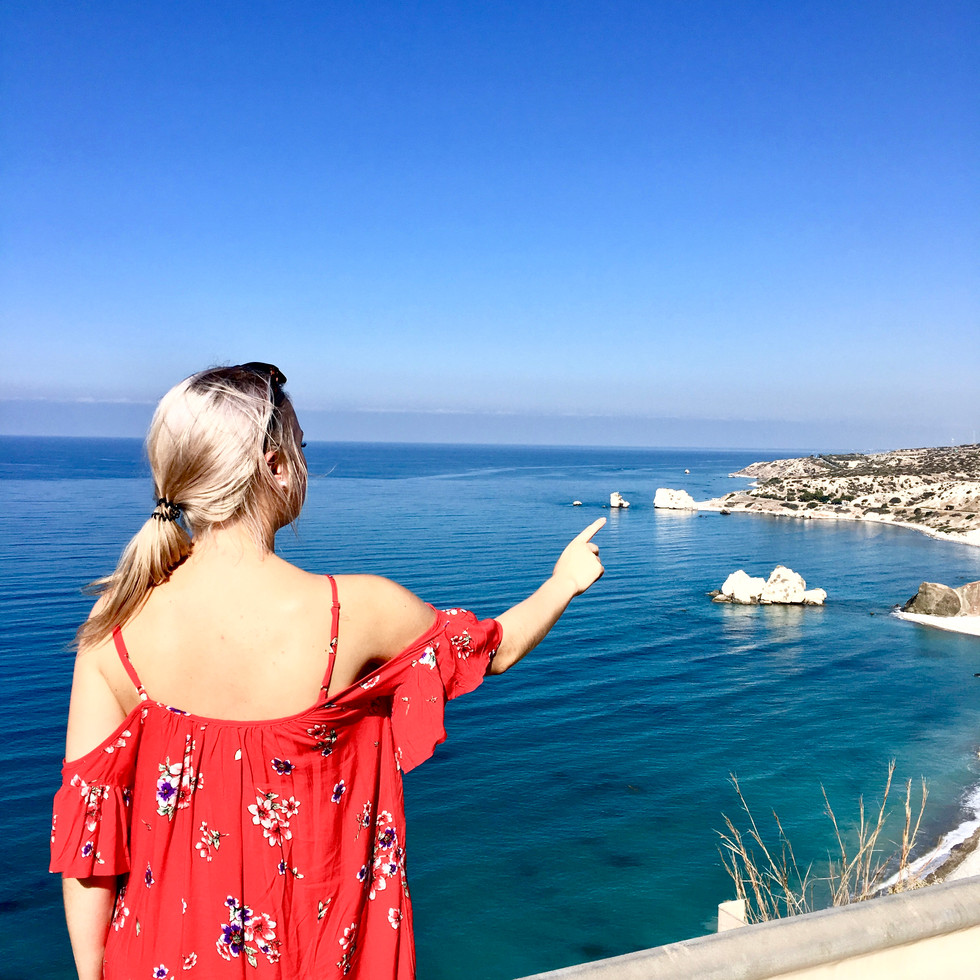


Kuulsa Aphrodite kiviga // With famous Aphrodite rock


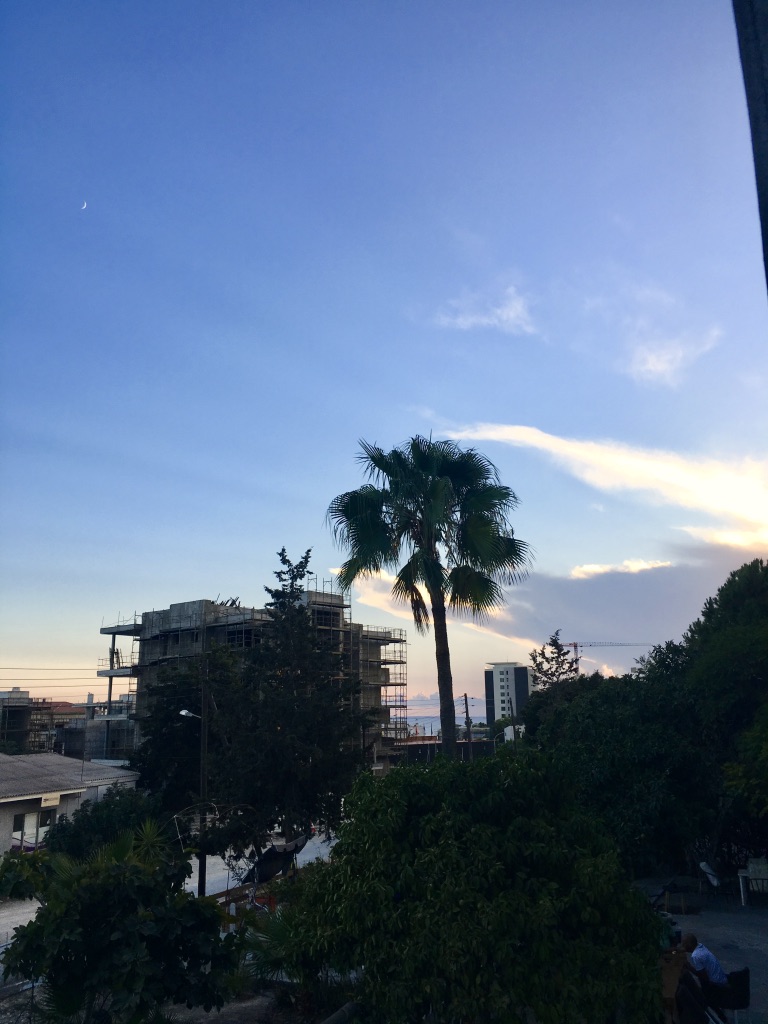


Some of my favorite shots from all around Cyprus
“What land is it?”
Starting with song about Estonia that talks not having any mountains at all, I must say that here they are and not too few. Cyprus is a little island in the middle of Mediterranean Sea, located south from Turkey and has almost the same latitude as Crete. Neighbours for Cyprus are Turkey in north, Lebanon and Syria in east, Israel in southeast, Egypt in south and Greece in west. The island was basically once risen out from the Mediterranean Sea, after African and Eurasian lamas crashed.
There are less local people living in Cyprus than in Estonia, 1.17M (2016), in Estonia 1.3M. Many people are coming only for summer season and leaving for winter. Summer seasons in last years have been good for the tourism, and business connected with that. Lots of hotels are currently in the building process, not that there are enough of them already. The summer season starts already in April and ends in November or until the good weather stays. Most of the hotels are closing for the winter, only few stay open. Also, most of the workers are coming outside the country and are staying only the season.
The weather in summer here is truly good and the climate amazing, in the high season it’s usually 33+ degrees at the day time and also the evenings and nights are very warm, around 22+ degrees. Even in November it is normal to have 23–24 degrees at the day time. Cyprus is thought to be country with one of the most warmest climate in EU. There are 300–340 days with sunshine and around 12–13 hours per day, that is just INCREDIBLE for people from northern countries! The temperature in winter can drop to zero or very rarely even to minus degrees. Usually Cypriots don’t see snow in winter, except in Troodos Mountains that are high and cold. The statistics from internet says that the average temperature in January and February in Cyprus at the day time is 16–18 degrees and 6–8 degrees for night time, that is still warm for Nordic people.
The island itself isn’t that big – from one side to another by car is around 2–3 hours, the other way less, so actually even less than in Estonia from one side to another. The network of freeways between cities is very good and taken good care of. The most popular destinations (so most of the cities) are connected by the highways, that are flowing through the mountains – sometimes from one side, sometimes from the other side, sometimes over and sometimes through the mountains (the tunnels).
We were thinking… IF ONLY Estonia had the same kind of highways, at first of course on the Tallinn-Tartu road. Also Pärnu-Ikla highway has pretty heavy traffic (for Estonia). And if only this kind of good connection of roads would also connect our city Narva, then more people would go there, many jobs could be invented and life in general would live up.
The history of Cyprus is going back very long time (even up to 10.000 years), while being country with one of the oldest history that is interesting and fascinating with many books written about it. Important to know is that people who were on this island supposedly from the beginning of the times and also brought their own culture (including their language) on the island, were Mycenaean Greek. That is also why many life stories of antique Greek god-goddess’s and overall Greek mythology are connected with Cyprus island. For example, here is the birthplace of Greek goddess Aphrodite who is the goddess of love and beauty. That place is being visited and photographed every day by hordes of tourists. Basically, there is just one big rock on the beach. Also, there are beliefs that if to go swim at this beach, then women will be later many years younger and more beautiful.
In the history the island was known and stayed rich for timber and copper. None of them are left a lot now on this island – deforestation and erosion are the main reasons for that, like most of the places around the world.
There have been different rulers on this island after the antiquity period, for example Alexander the Great, Turkish emperor Ottoman (between 1571 and 1878), and life continued among the British empire (1914–1960) and other rulers. From the English colonial rule, Cyprus kept the pound as their currency for a long time and also left-hand sided traffic, that’s here even until now! The valuta changed to Euro in 2011 after the country became a member of European Union (EU) (in 2008, the same time as Estonia), so billing and paying is quite comfortable for us. After the Second World War, Cyprus became independent (1960).
Unfortunately, the island hasn’t been untouched since. In 1974 Turkish armed forces came to Cyprus and illegally conquered the North part of Cyprus, that is actually 36% of all territory of Cyprus. With this action 142 000 people were forced to move out from their homes, that made them refugees in their own country. Also, that’s why capital Nicosia was divided and still is the last city in the world that’s been separated like this. Meaning that inside the city there is a border, where EU citizens can go over to the Turkish side when showing their passport or ID card.
Locals don’t like to talk about this topic and it’s better not to mention Turkey at all to them. I’ve met some people who can get very upset and can’t stay calm, that is actually quite normal reaction, because they’re angry towards Turkey. “Political negotiations” have lasted for years and locals don’t really believe that anything could be solved by that anymore. Because Cyprus is located geographically in quite important place, then some people are suspecting that maybe Russia was behind all this action and they had this secret plan to own Cyprus. The EU of course don’t recognise Turkish illegal invasion and says that whole island of Cyprus still belongs to Union as well as all the laws of EU are valid there.
Unreal for me sounds the fact that Turkish government pays for the Turkish-Cypriots who are living the north side of the island, hoping of course that more people would go there (from Turkey) to live and the life there wouldn’t become extinct. There is actually a big difference between Turkey’s and Cyprus’s side. The time hasn’t quite stopped from 1974, but almost. The streets are more shabby and EVERYTHING is much cheaper. Like from real Turkey you can get fake company’s clothes with very cheap price, but all the products are from China (and Turkey). Partially they use Turkish liras, but also euros.
What I see as the biggest problem in Cyprus, is the clean drinking water. Since it doesn’t rain on the island for 5–6 months and the weather can be very hot, then their natural water level is very low especially in summer time. Also the cleanliness and quality of the water is under question, because they used to have a big problem with pollution from factories and sewage. For all these reasons Cyprus is buying drinking water in large quantities from Greece. Most of the locals don’t drink tap water, so they are buying it from the shops in PLASTIC bottles. The saddest thing in this story is that they don’t have any whatsoever system to collect or return and recycle the bottles. (In better days) all the bottles are thrown in the bins. Can’t also forget the hordes of tourists, who are buying the bottled water every day anyway.
What worries me is that it creates a massive amount of plastic that isn’t recycled on the island which is surrounded by sea, that I hope (from the bottom of my heart) will stay clean and untouched by the waste. Overall the system of their garbage seems to me to be quite primitive. While living there for 3 months, I hardly saw any recycling. Only once I have seen the container for clothes and alright – one time in Paphos I also saw one separate bin for glass bottles. Probably, I am so used to sort my own litter that it is even painful to throw another plastic bottle to the bin with all other trash. That’s why I of course reuse my bottles and refill them with (filtered) water at the hotel in my work place.
On positive note – Estonian trash cleaning program “Let’s do it”(world) has also arrived to Cyprus. Besides the one mutual cleaning day in September that they are already organizing for few years, they are also involving young students for many trips to nature for just cleaning and taking the trash away from the nature, that’s what they promote in their Facebook page. At least the awareness is slowly rising.
Still, recently there was an article in Cyprus media about the recycling problem. They are acknowledging the fact that in 2016 was Cyprus in “the bad list” with some other EU countries (Malta, Romania, Greece). These countries recycled 17% of all their trash (to compare to 40% in Estonia, that’s a good role model). With great probability Cyprus is not going to reach the targets set in EU for year 2020 for municipal waste, that’s why the early warning has already been issued by the European Commission among other member states to Cyprus. The goal in two years is to recycle 50% of all the garbage. In statistics of Eurostat, the most garbage is created in constructions and demolition, and they have many of these places in Cyprus, like mentioned before.
To come back to the water situation, it would be interesting to mention that Turkey is trying to “pamper” their residents on the island. To solve the water problem for their part of the island, Turkey built a massive water pipe from South-Turkey to North-Cyprus to supply them with drinkable water. The pipe built 250 m deep in the Mediterranean Sea and it is supposed to provide water for Turkish-Cypriots for at least 50 years. The building ended in 2014, the pipe is 88km-s long and costed approximately 450 million ($US). The official name of the project is “The Northern Cyprus Water Supply Project”.
Cyprus has tried several times to build water dams (especially in mountain areas) and also to create reservoirs. Unfortunately, the natural water level has just been dropping over the last years, due to many droughts and increasing number of tourists. That is also the reason why Cyprus doesn’t have any natural waterfalls. All that they have, are man made and most probably the water has been led there through the pipes and just circles around there. Usually they tend to ask quite an amount for the entrance as well from tourists, so you should really think through what you actually want to see (personal experience). Kind of it makes sense, because the most biggest and popular business areas and sectors for locals in Cyprus are tourism and construction (building).
In one article of Cyprus news they write about the problem of stinking drinking water in one city called Paphos, located on the West Coast. Local people are complaining that they don’t want to even brush their teeth with this water or give to their pets for drinking. Local government comments that truly there is one bacteria that grows in the water, but it is totally natural and harmless. People are also complaining that sometimes their water has been just cut off without any earlier notice. Even if the water is back, then they don’t drink it, they buy drinking water from shop, that is not the perfect solution, they say. One politician says in article that Cyprus should learn to recycle their water more efficiently to use it during the drought in the summer. Right now most of the overflow from rain goes straight to the sea. Despite their chronic lack of water, I saw every morning on the streets, how they were watering the plants and the grass. Alright, probably the plants wouldn’t live here in any other way, but it seemed to me, that they were just totally drowning in the water…
CULTURE
Cypriots speak Greek, but addition to that Turkish is also their official language, it has it’s historical reasons. Unfortunately, I didn’t learn too much of the local Greek, but some learned and common used words, I can also share with you.
KALIMERA - “good morning”
KALISPERA - “good evening”
EFKHARISTO - “thank you”
NE - “yes”
OHI - “no”
These two last ones were quite a challenge for me, because “ne” sounds exactly like “no” in English or even in Estonian “ei” for me. Long time I thought, that’s the negative meaning.
The religion in Cyprus is mainly Greek Orthodox, but Turkish-Cypriots are moslems. The statistics from 2005 says that Cyprus was the second most religious country in EU (though Romania wasn’t then the member of EU, they are now thought to be the most religious in EU). So, the churches around to see are mostly typical Orthodox churches.
From traditional food it would be important to mention halloumi cheese, that used to be made only from goat’s milk, but nowadays you’ll get the mix of goat’s and cow’s milk cheese from the shops, because it’s cheaper that way. This cheese has a little bit rubber structure, but tastes amazing when grilled. Also, often eaten Cyprus food is the Mediterranean Greek salad and also loads of different seafood (octopus, fishes, sea plants).
ENERGY – what kind of renewable energy sources they use?
The development has been noticeable, when talking about energy production. In 2005 Cyprus didn’t use wind at all to produce electricity. Already 2010 Cyprus produced 3.4% of all its electricity from wind power. EU countries produce on average 14% of their electricity from wind power. Cyprus has big plans for producing electricity of solar energy, for 2020 they have a goal to produce 7%, that would be one of the top in European market. Very often they use a solar heating system, where the solar energy helps to warm up the water that is on the roof in the big barrels. So when you press the right button (usually next to your bathroom light switch) in your apartment, then soon the hot water from the roof starts to mix up and pre solar heated water comes to your bathroom. This system is also pretty common in Turkey or some other Southern countries.
So, this was my overview from life in Cyprus and the things that seemed more important and interesting for me. Living there for 3 months, I got my own view of things and I tried to share it neutrally. I also got some facts from internet, but this kind of research and discussions with locals, made the writing process very interesting. While finishing this post, I am not anymore in Cyprus, I flew home for 40 hours and am now in Australia. I actually planned to write a post about the most important sightseeing places, maybe also about Cypriots and my experience with them, but new adventures are starting on. If anyone has interest in these topics, then you can easily let me know!
Otherwise, until next posts from Australia! :)


Comments